
Rehabilitation in Nepal: Why Madhesh’s Low Numbers Reveal a Bigger Health Equity Challenge
“Numbers tell stories. Sometimes they tell the truth. Sometimes they tell only the part of the truth that was fortunate enough to be recorded.”
Every year, Nepal’s Annual Health Report arrives draped in optimism.
Tables swell with encouraging figures.
Graphs climb steadily skyward.
Indicators whisper reassuring promises of progress.
From a national perspective, the narrative appears inspiring.
Rehabilitation service utilisation has more than doubled.
More citizens with disabilities are reportedly entering the healthcare system.
The country seems to be advancing confidently towards Universal Health Coverage (UHC).
It is, without question, a story worth celebrating.
Until one turns the page.

Where the Numbers Become Uncomfortable
Provincial data often possess a remarkable habit.
They interrupt comfortable conversations.
According to Nepal’s latest Annual Health Report:
Rehabilitation Service Users
- Bagmati Province: 363,469
- Madhesh Province: 10,711
New Disability Cases Receiving Rehabilitation
- Bagmati: 150,739
- Madhesh: 2,658
Statistics rarely provoke astonishment.
These ones should.
The disparity is so profound that it almost invites fantasy.
Has Madhesh Province quietly become the healthiest place in South Asia?
Have strokes politely chosen alternative destinations?
Did spinal cord injuries lose interest in crossing provincial borders?
Have cerebral palsy, Parkinson’s disease, arthritis, limb amputations and chronic musculoskeletal disorders collectively decided that Madhesh no longer deserves their attention?
If the statistics alone were our guide, medical textbooks across the globe would require immediate revision.
Researchers would queue at Nepal’s airports.
Scientific journals would scramble for exclusive interviews.
The world would celebrate an epidemiological miracle.
Reality, however, has never been particularly interested in miracles.

The Vanishing Was Never the Disability
The disappearance occurred elsewhere.
Not within the disease.
Not within the diagnosis.
But within the system itself.
Disability does not evaporate because rehabilitation is unavailable.
People simply fade beyond the boundaries of official records.
When rehabilitation centres are geographically distant…
When physiotherapists are scarce…
When occupational therapists remain unavailable…
When speech and language services scarcely exist…
When prosthetic and orthotic services are inaccessible…
When referral pathways resemble unfinished roads…
When transport costs exceed household income…
When awareness remains painfully limited…
Individuals quietly abandon the journey before it ever begins.
Eventually, they disappear from databases.
Not because they recovered.
Because they were never counted.
Invisible Citizens Create Invisible Statistics
Data possess extraordinary authority.
Yet data are never more complete than the systems designed to collect them.
An individual absent from a spreadsheet has not ceased to exist.
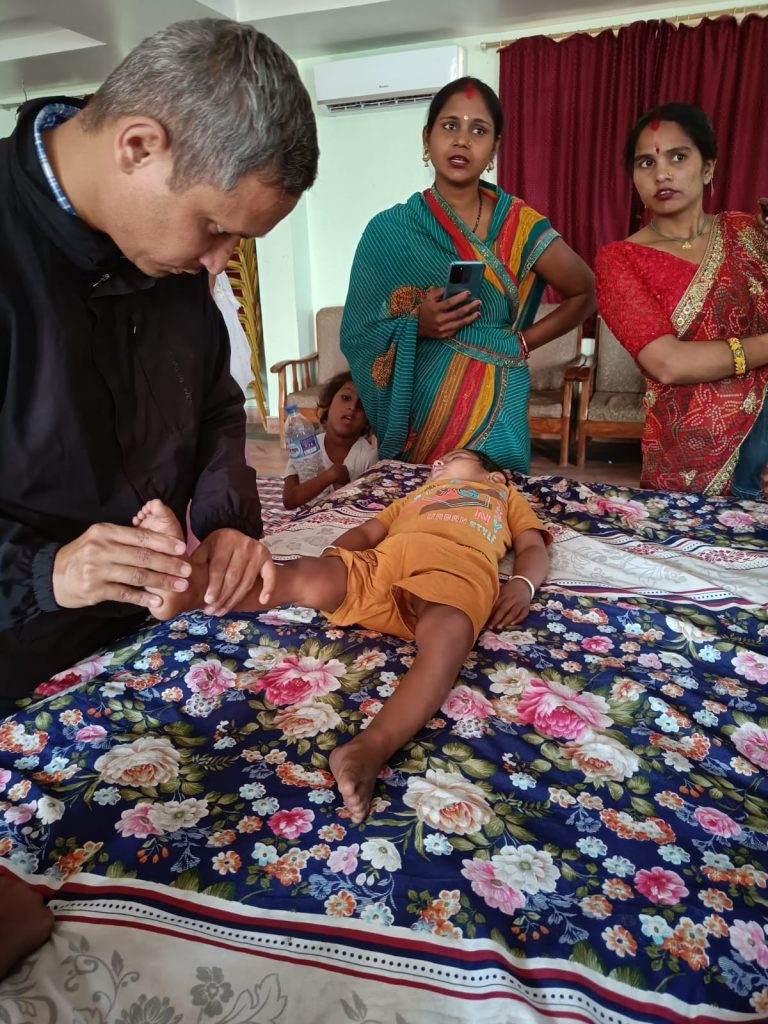
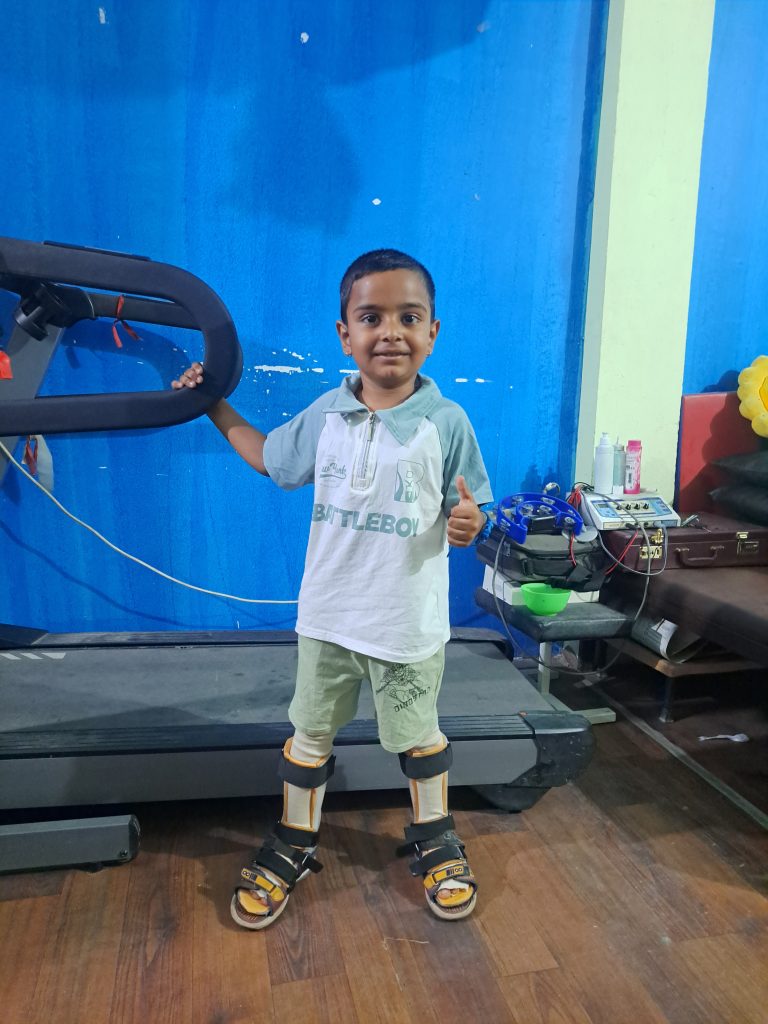
A child with cerebral palsy still requires intervention.
A farmer burdened by chronic back pain still deserves rehabilitation.
An elderly woman recovering from stroke still hopes to walk independently.
A young labourer adapting to limb loss still dreams of returning to work.
The absence of their names within national reports does not diminish the presence of their needs.
Silence inside a database should never be mistaken for success.

National Triumph Can Conceal Provincial Neglect
National averages are rather like aerial photography.
Viewed from sufficient altitude, every landscape appears harmonious.
Mountains soften.
Rivers blend.
Boundaries dissolve.
Only upon descending does one notice the villages where drinking water never arrived.
Healthcare follows the same principle.
One province may flourish while another quietly struggles for the most fundamental rehabilitation services.
The national picture remains impressive.
The lived reality remains profoundly unequal.
Progress measured without equity becomes little more than statistical comfort.

When Geography Determines Recovery
Healthcare should never resemble a lottery.
Yet rehabilitation frequently does.
The place where a person happens to be born increasingly influences:
- Whether a stroke survivor regains mobility.
- Whether a child with developmental delay receives early intervention.
- Whether an older adult remains independent.
- Whether chronic pain becomes manageable or lifelong.
- Whether disability leads toward participation or permanent exclusion.
Geography should describe landscapes.
It should never determine opportunity.

A Gentle Conversation with Local Governments
Nepal embraced federalism with an inspiring aspiration:
Bring healthcare closer to every citizen.
Municipal governments became custodians of local health priorities.
Yet rehabilitation often occupies the final pages of planning documents if it appears at all.
Visible infrastructure understandably attracts attention.
Roads photograph beautifully.
Buildings inspire ceremonies.
Parks host celebrations.
Rehabilitation offers none of these spectacles.
No ribbon-cutting accompanies successful balance retraining.
No marching band celebrates improved shoulder movement.
No headline announces that an elderly grandmother has regained the confidence to climb the stairs without assistance.
Recovery unfolds quietly.
Its victories seldom attract applause.
Perhaps that is precisely why rehabilitation deserves louder advocacy.

A Respectful Reflection for National Policymakers
Nepal has undeniably advanced rehabilitation policy.
That achievement merits recognition.
But genuine progress should illuminate disparities rather than conceal them.
Policy documents cannot substitute for professionals.
Strategic frameworks cannot replace accessible services.
Budgets mean little if communities remain beyond their reach.
A bridge is not complete because one bank appears impressive.
Completion occurs only when both sides are connected.
Healthcare should aspire to the same standard.

Rehabilitation Is Not an Optional Chapter of Healthcare
Rehabilitation is frequently misunderstood as an afterthought.
It is anything but.
It restores dignity.
Preserves independence.
Reduces avoidable complications.
Supports economic productivity.
Strengthens families.
Promotes social participation.
Extends healthy ageing.
Protects human potential.
The World Health Organization recognises rehabilitation as an essential health service not an optional luxury reserved for urban centres.
Recovery should never require relocation.
The Cost of Looking Away
Every inaccessible rehabilitation service generates consequences that extend far beyond healthcare.
Families lose income.
Caregivers abandon employment.
Children leave school to provide assistance.
Older adults become prematurely dependent.
Preventable complications accumulate.
Poverty deepens.
Communities lose productivity.
The economic burden quietly surpasses the investment that rehabilitation would have required in the first place.
Ignoring rehabilitation is rarely economical.
It is merely expensive in ways that spreadsheets struggle to measure.

What an Inclusive Nepal Could Look Like
Imagine a Nepal where every municipality includes rehabilitation within its primary healthcare system.
Where physiotherapists, occupational therapists, speech and language therapists, prosthetists, orthotists, rehabilitation nurses and community rehabilitation workers are available according to population need.
Where referral pathways function seamlessly.
Where disability data genuinely reflect reality rather than accessibility.
Where recovery is not determined by altitude, district boundaries or provincial budgets.
Such a vision is neither unrealistic nor extravagant.
It is simply equitable.

The Measure of a Compassionate Nation
A nation’s healthcare system is not defined by the sophistication of its capital.
Nor by the elegance of its annual reports.
Nor by the steepness of its statistical graphs.
Its character is revealed by how faithfully it reaches those who remain furthest from opportunity.
The child in a remote village.
The elderly woman recovering from stroke.
The farmer living with chronic pain.
The young man learning to walk with a prosthesis.
The mother caring for a child with cerebral palsy.
These citizens are not peripheral to Nepal’s health story.
They are its very centre.

The Conversation Nepal Must Have
The question has never been why Bagmati’s rehabilitation numbers are impressive.
The more urgent question is why so many citizens in Madhesh remain absent from the story.
Because every missing statistic represents a human life waiting to be seen.
Every invisible patient reflects an invisible policy gap.
Every unrecorded disability reveals an unfinished commitment.
Health equity is not achieved when one province prospers.
It is achieved when opportunity travels farther than privilege.
Until rehabilitation services reach every municipality, every district and every family that requires them, Nepal’s healthcare journey remains beautifully started—but unmistakably unfinished.
Perhaps the greatest rehabilitation mystery is not where disability has gone.
It is why society still mistakes invisibility for absence.

Recovery should never depend on geography.
Rehabilitation should never depend on privilege.
Health equity begins when every citizen—regardless of postcode, province or income has an equal opportunity to reclaim independence, dignity and hope.