
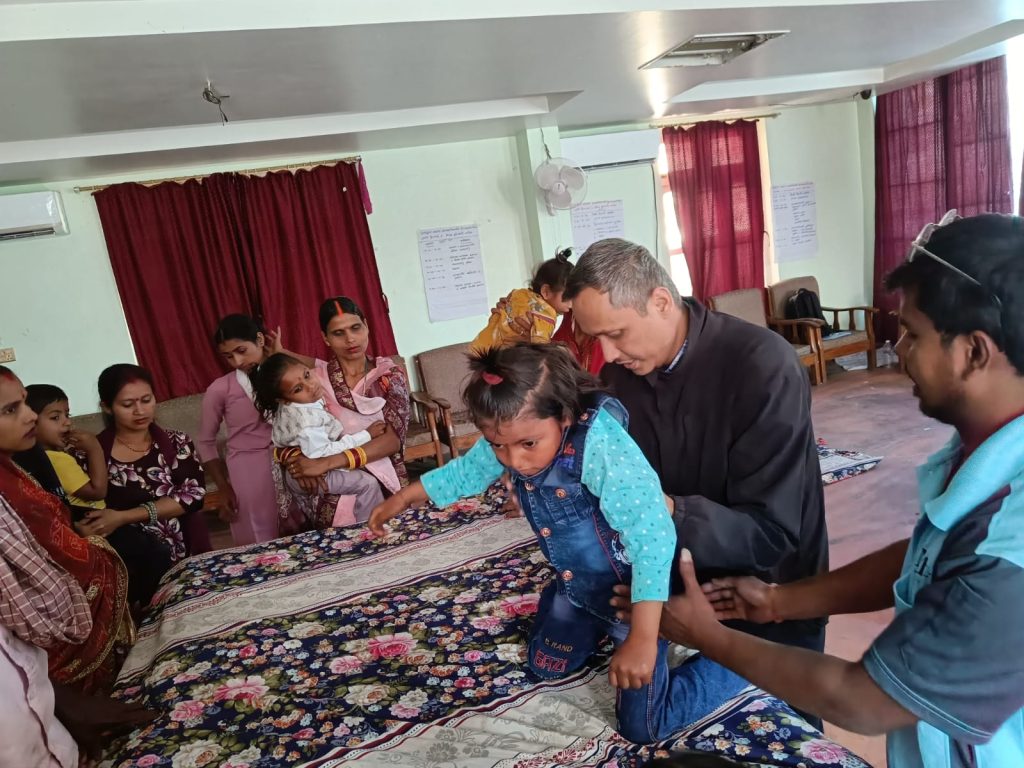
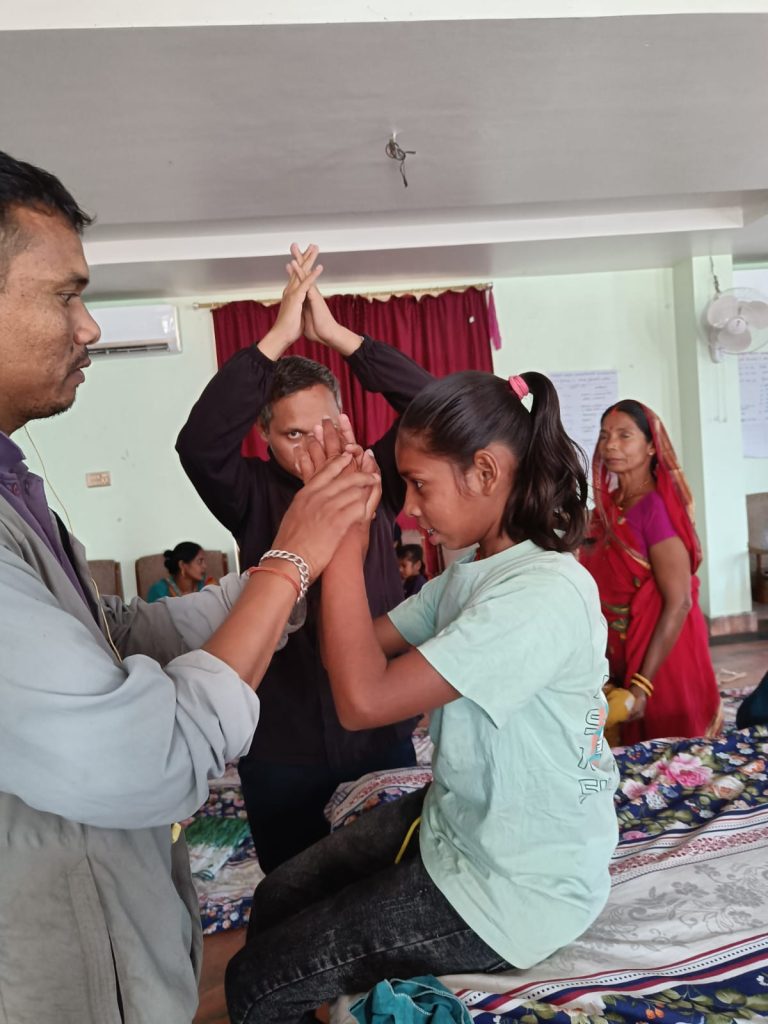
In a world where every child deserves the opportunity to thrive, rehabilitation plays a powerful role in unlocking potential especially for children with disabilities. Recently, I had the privilege of facilitating a meaningful training program for caregivers, focused on inclusive rehabilitation, physiotherapy, and support strategies for children with disabilities.
This experience was not just a trainingit was a journey of learning, empathy, and empowerment.
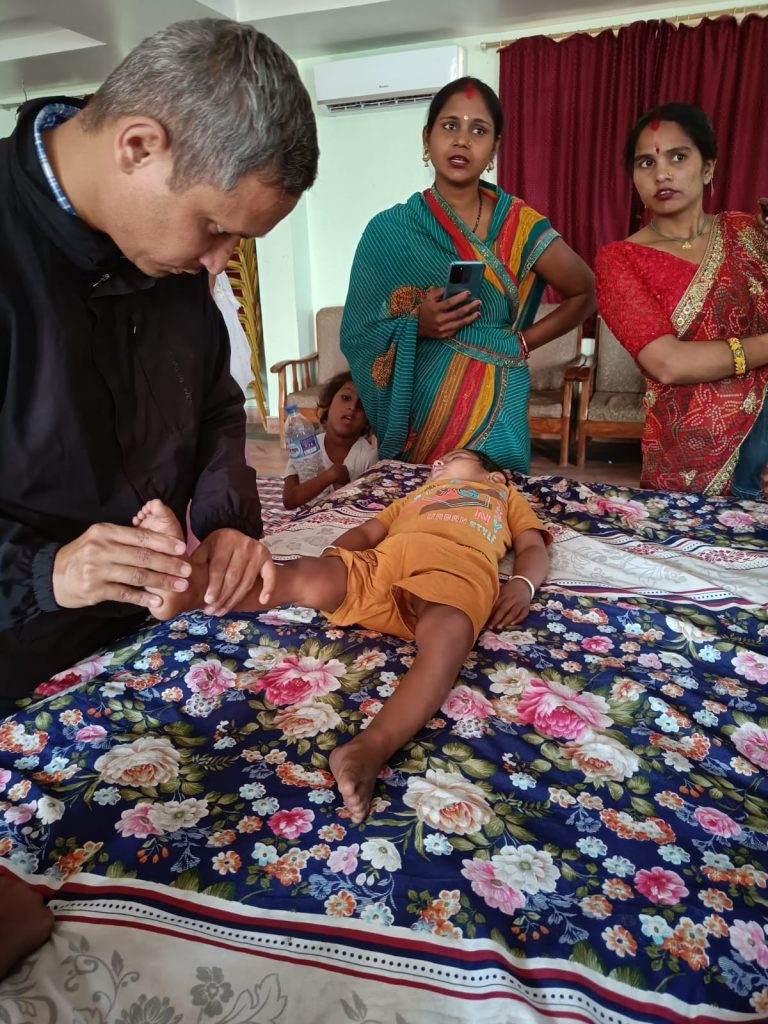
🌍 Understanding Rehabilitation: More Than Just Therapy
Rehabilitation is not simply about treatment, it is about restoring dignity, independence, and hope.
According to World Health Organization, rehabilitation helps individuals achieve and maintain optimal functioning in interaction with their environment. For children with disabilities, this means:
- Improving movement and mobility
- Enhancing functional independence
- Supporting participation in daily life
- Building confidence and social inclusion
As a physiotherapist, I emphasized how early intervention can significantly improve long-term outcomes.
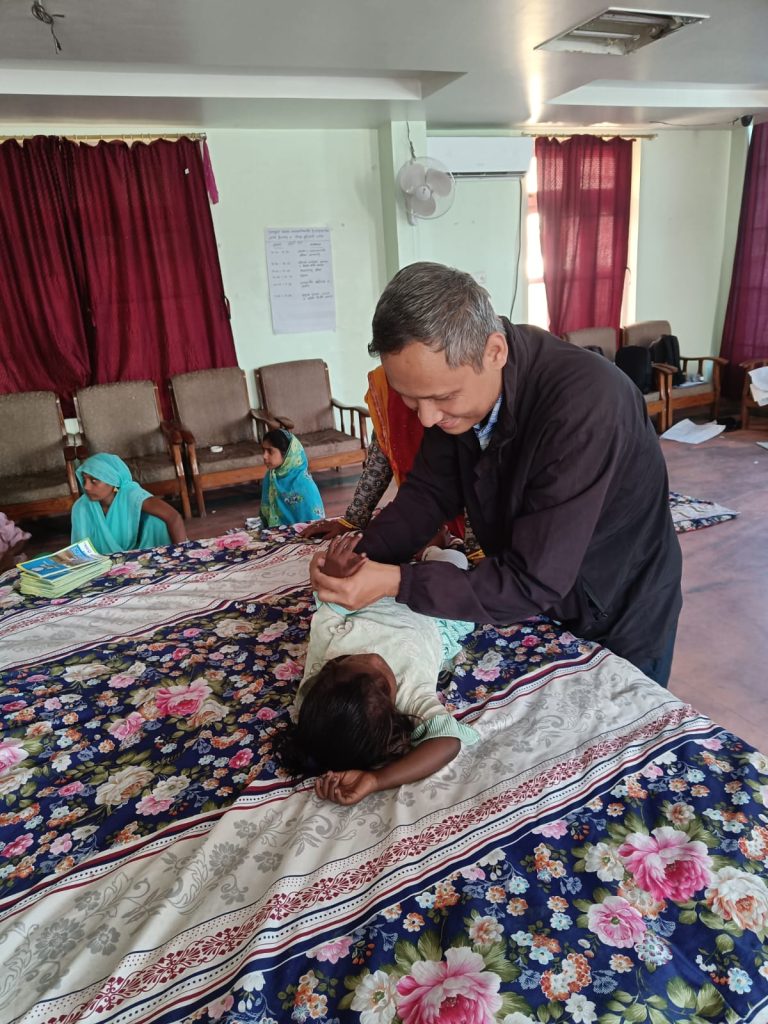
🧠 The Heart of the Program: Physiotherapy for Children
One of the key highlights of the training was discussing the importance of physiotherapy in childhood disability.
Physiotherapy helps children to:
- Sit, stand, and walk more effectively
- Improve strength, balance, and coordination
- Perform daily activities independently
- Prevent secondary complications
We explored play-based therapy techniques, making rehabilitation enjoyable and engaging for children. Because when therapy feels like play, children learn faster and happier.
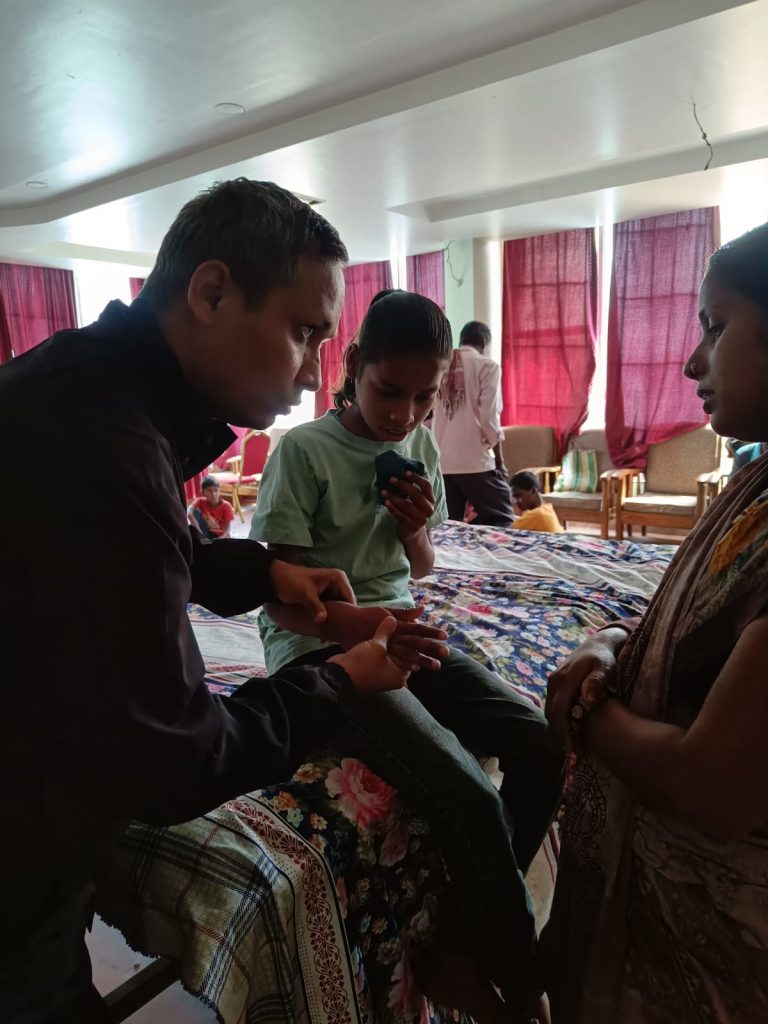
👨👩👧 Caregivers: The True Change Makers
A major focus of the program was empowering caregivers with practical, easy-to-follow strategies. Because rehabilitation does not happen only in clinics, it happens every day at home.
💡 Simple Yet Powerful Caregiving Approaches:
- Encourage Independence: Let children try daily activities like eating or dressing
- Create a Safe Environment: Ensure the home is child-friendly and accessible
- Maintain Routine: Consistency builds comfort and confidence
- Communicate with Patience: Use simple instructions and demonstrations
- Promote Play and Activity: Movement is therapy
- Celebrate Small Wins: Every step forward matters
Caregivers left the session with a renewed sense of purpose understanding that their love, patience, and consistency are the most powerful tools in a child’s development.
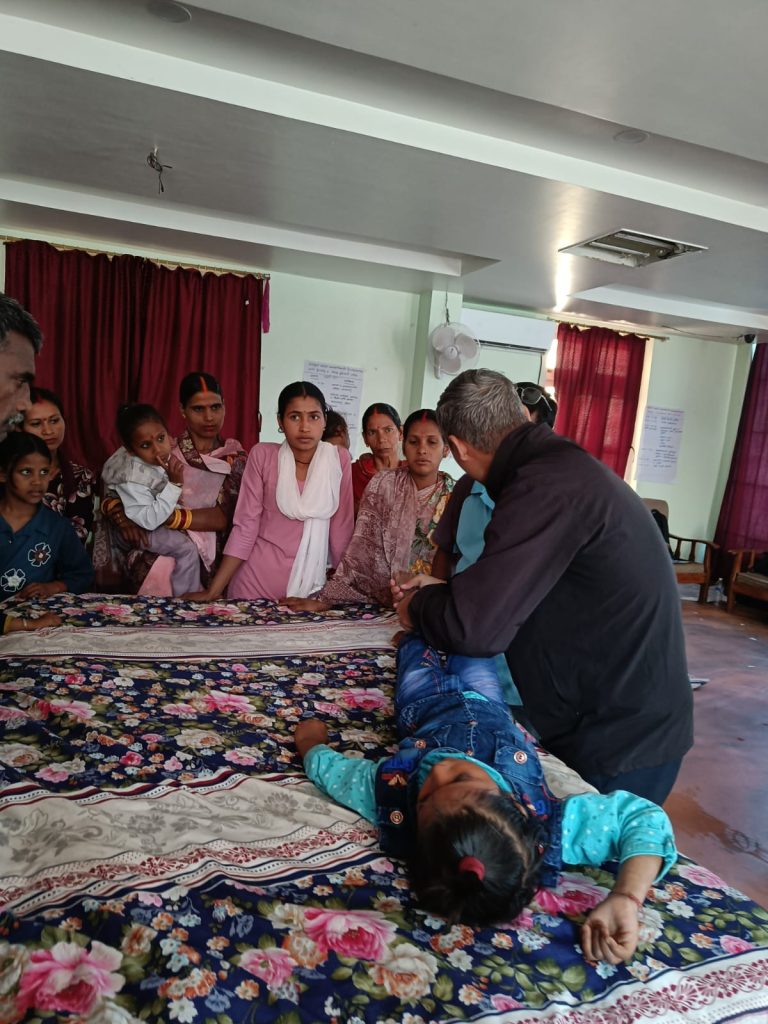
🔄 Strengthening Referral Pathways for Better Access
Another critical discussion point was referral mechanisms and access to rehabilitation services.
Early referral can change the trajectory of a child’s life. We highlighted when to seek physiotherapy support, such as:
- Delayed developmental milestones
- Difficulty in walking or movement
- Weakness after injury or illness
- Balance issues or frequent falls
We also discussed the importance of community-level identification and referral through:
- Community health workers
- Rehabilitation centers
- Hospitals and physiotherapy services
Strengthening these pathways ensures that no child is left behind.
❤️ A Message That Stayed With Everyone
One simple message resonated deeply throughout the training:
“Small steps lead to big changes.”
Children with disabilities are not defined by their limitations but by their possibilities. With the right support system, they can learn, grow, and live fulfilling lives.
🌟 My Reflection as a Facilitator
Facilitating this program in Rajdevi and Rajpur was deeply meaningful. Seeing caregivers become more confident and hopeful was truly inspiring.
This experience reinforced an important truth:
👉 Rehabilitation is not just a service, it is a community responsibility.
When communities, caregivers, and health professionals work together, we create a future where every child has the opportunity to thrive.